 Roamset Health Team
Insulin Sensitivity.
When your cells listen to insulin, you burn fat for fuel, your energy stays rock-solid, and your brain feels sharp. When they stop listening (insulin resistance), your body enters “storage mode.” You feel sluggish, the weight sticks to your midsection, and your long-term health takes a hit.
While diet and movement are the foundation, nature has provided some heavy hitters to help nudge your biology in the right direction.
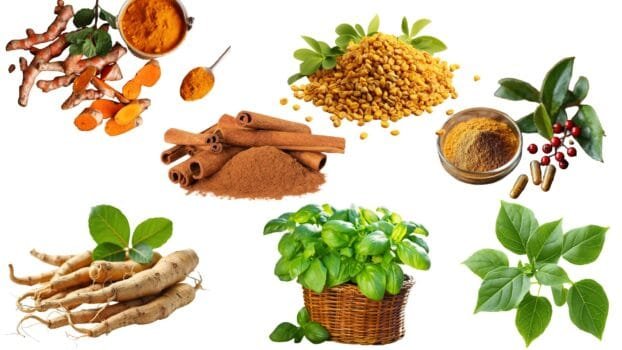
Here are 7 science-backed herbs and botanicals that help your cells “tune back in.”
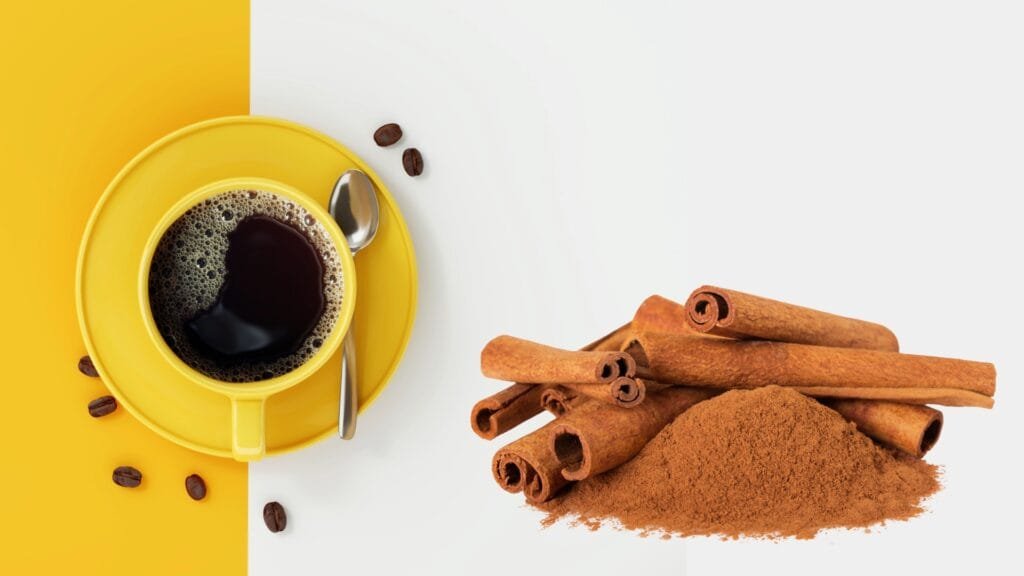
1. Ceylon Cinnamon: The Sugar Mimic
Not all cinnamon is created equal. While the stuff in your spice cabinet is likely “Cassia,” Ceylon Cinnamon (true cinnamon) is the gold standard for metabolic health.
How it works
Research suggests that cinnamon can mimic the effects of insulin and increase glucose transport into cells. It essentially helps “unlock” the door so sugar can leave your bloodstream and be used for energy.
- The Science: A study published in Diabetes Care showed that even a small daily dose reduced fasting glucose levels by up to 29%.
- The Perk: It tastes great in coffee, making it the easiest habit to start today.
2. Berberine: The “Metabolic Master Switch”
If there’s a heavyweight champion on this list, it’s Berberine. Extracted from plants like Goldenseal and Barberry, this alkaloid is one of the few supplements with a mountain of clinical data backing it.
The AMPK Connection
Berberine works by activating an enzyme called AMPK (Adenosine Monophosphate-activated Protein Kinase). Scientists often call this the “metabolic master switch.” When AMPK is turned on, your body stops storing fat and starts burning it, while simultaneously improving how your cells respond to insulin.
- Pro Tip: Berberine is potent. It’s often compared to certain first-line metabolic medications in head-to-head studies. Always check with your doctor if you’re already on blood sugar medication, as it can be too effective when combined.
3. Fenugreek: The Fiber Powerhouse
Commonly found in Indian cuisine, these small seeds are packed with a specific type of soluble fiber called galactomannan.
Slowing the Spike
Fenugreek works on two fronts. First, fibre slows the digestion of carbohydrates, preventing those massive “sugar crashes” after a meal. Second, it contains an amino acid (4-hydroxyisoleucine) that appears to stimulate insulin secretion when blood sugar is high.
Why it matters: By smoothing out the “peaks and valleys” of your blood sugar, you prevent the chronic high-insulin state that leads to resistance.
4. American Ginseng: The Post-Meal Bodyguard
Ginseng has been used for millennia, but modern science is finally catching up to why it works for blood sugar.
Clinical Findings
Studies have shown that American Ginseng can significantly lower post-prandial (after-meal) blood glucose levels. It seems to improve the way your cells uptake glucose, meaning the sugar spends less time circulating in your blood, where it can cause oxidative stress.
- The Nuance: It’s best taken about 40 minutes before a carbohydrate-heavy meal for maximum effect.
5. Holy Basil (Tulsi): The Stress-Blood Sugar Link
You might wonder what an “anti-stress” herb is doing on an insulin list. Here is the secret: Cortisol.
When you are stressed, your body pumps out cortisol. Cortisol signals your liver to release glucose into the bloodstream for “fight or flight” energy. If you’re just sitting at a desk stressed, that sugar sits there, forcing insulin to rise.
The Adaptogen Edge
Holy Basil is an adaptogen. It helps lower cortisol. By keeping your stress hormones in check, you prevent the “stress-induced” blood sugar spikes that wear out your insulin receptors over time.
6. Gymnema Sylvestre: The “Sugar Destroyer”
In Ayurvedic medicine, this herb is called Gurmar, which literally translates to “destroyer of sugar.”
Double-Blind Action
Gymnema is fascinating because it works in two ways:
- On the tongue: It contains gymnemic acids that temporarily block the sugar receptors on your taste buds. If you eat sugar after taking it, the food tastes like bland cardboard, instantly killing cravings.
- In the gut: It may block intestinal receptors from absorbing sugar molecules during digestion.
7. Turmeric (Curcumin): The Inflammation Fighter
Insulin resistance and chronic inflammation are two sides of the same coin. When your body is inflamed, your insulin receptors become “gummed up” and stop working efficiently.
Reversing the “Gummed Up” Receptors
The active compound in Turmeric, Curcumin, is a systemic anti-inflammatory. Lowering the inflammatory load on your cells allows the insulin “lock and key” mechanism to work smoothly again.
- Max Absorption: Always look for a formula that includes Piperine (black pepper extract), which increases curcumin absorption by up to 2,000%.
Why Timing is Everything
Improving insulin sensitivity isn't about taking a pill and eating a box of doughnuts. These herbs work best when used as support tools alongside a whole-food diet.
The “Window of Opportunity” is usually 20–30 minutes before your largest meal. This primes your system to handle the incoming glucose effectively.
A Note on Quality
The supplement industry is a bit like the Wild West. “Cheap” herbs are often filled with sawdust or lack the active compounds (like the curcuminoids in Turmeric or the gymnemic acids in Gymnema) needed to actually move the needle.