 Roamset Health Team
Introduction
It’s often treated as a fixed disorder that requires medication. But when you look deeper, ADHD isn’t just one clear-cut disease. It’s a mix of behaviours, like distractibility, impulsiveness, mood swings, and lack of focus, that can vary from child to child.
And here’s where things get interesting…
More and more research is pointing toward something unexpected:
What Is ADHD, Really?
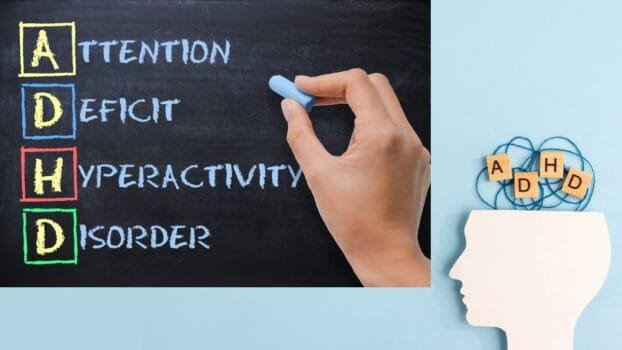
Attention Deficit Hyperactivity Disorder (ADHD) is commonly diagnosed in children and is seen more frequently in boys than girls.
It may include
- Hyperactivity
- Poor concentration
- Impulsive behavior
- Anxiety and mood swings
- Learning difficulties
Researchers believe it may be influenced by:
- Genetics
- Environmental exposure
- Early childhood habits
- And increasingly… nutrition
🍽️ The Missing Link: Diet and ADHD
There’s growing evidence that ADHD symptoms may be connected to:
- Food allergies or intolerances
- Nutrient deficiencies
- Blood sugar imbalances
This doesn’t mean diet causes ADHD, but it may worsen or improve symptoms significantly.
When blood sugar spikes and crashes, even adults feel:
- Irritable
- Unfocused
- Tired
🥗 Best Diet for ADHD: Where to Start
One of the most effective changes is surprisingly simple:
👉 Replace processed foods with protein + complex carbohydrates
Why this works:
- Stabilizes blood sugar
- Provides steady energy to the brain
- Reduces mood swings and irritability
50% vegetables
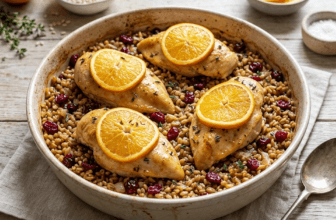
25% protein (chicken, lentils, beans). Recommended recipe.
25% whole grains (brown rice, oats)
💡 A strong breakfast (like oats or porridge) can significantly improve focus during the day.
Iron and Brain Function: The Overlooked Mineral
Iron plays a key role in regulating dopamine, the brain chemical linked to attention and focus.
Low iron levels have been linked to:
- Reduced concentration
- Poor mental performance
- Increased ADHD symptoms
Best food sources:
- Lean red meat
- Lentils and beans
- Spinach and peas
👉 Experts recommend getting iron from food rather than supplements unless prescribed.
Omega-3 Fatty Acids: A Game-Changer?
Omega-3s (especially DHA) are essential for brain development.
Children with ADHD often show:
- Lower omega-3 levels
- Higher behavioral issues
How omega-3 helps:
- Supports dopamine function
- Improves focus and attention
- May reduce mood swings
Best sources:
- Fatty fish (salmon, sardines)
- Flaxseeds and sunflower seeds
- Nut butters (non-peanut)
👉 Aim for at least 2 servings of fatty fish per week.
“For treating ADHD, nutrients are actually the most sensible place to start, rather than jumping straight for a drug (Ritalin) that really isn't as good as it's been cracked up to be.”
Alexandra Richardson, PhD, senior research fellow at the University of Oxford.
Do Supplements Help ADHD?
Some studies suggest certain supplements may support ADHD management:
1. Omega-3 (DHA)
- May improve attention and behavior
- Common recommendation: ~200 mg/day
2. Probiotics
- Help gut health
- May reduce food intolerances linked to behavior
3. Multivitamins
- Useful if the diet lacks essential nutrients
- May improve academic performance
4. Zinc
- Linked to attention and focus
- Deficiency may worsen symptoms
⚠️ Always consult a doctor before starting supplements.
Foods That May Worsen ADHD Symptoms
Not all foods are equal when it comes to brain health.
Limit or avoid:
- Refined sugar
- Processed foods
- Artificial colors and additives
- Excess caffeine
These can:
- Spike blood sugar
- Trigger behavioral issues
- Reduce focus
Food Intolerances and ADHD
Some children may react negatively to certain foods—even natural ones.
Common triggers include:
- Artificial additives
- Salicylates (in fruits/vegetables)
- Processed meats and aged foods
👉 In some cases, elimination diets have improved behavior in children.
Can Early Nutrition Influence ADHD?
Some research suggests:
- Breastfed children may have a lower risk of ADHD
- Early nutrition impacts brain development
This may be due to the essential fatty acids, such as DHA, found in breast milk.
Medication vs Natural Approach: What Should You Do?
Medications like Ritalin are commonly prescribed and can help manage symptoms.
But they also come with potential side effects:
- Sleep issues
- Appetite loss
- Growth concerns
That’s why many experts suggest:
👉 Start with nutrition and lifestyle changes before relying entirely on medication.
Final Thoughts
ADHD is complex. There’s no single cause—and no single solution.
But one thing is becoming clear:
👉 Diet and nutrition play a powerful role in how the brain functions.
Small changes like:
- Improving breakfast
- Adding omega-3s
- Reducing sugar
…can make a noticeable difference over time.