
 Sanjeev Bhasin
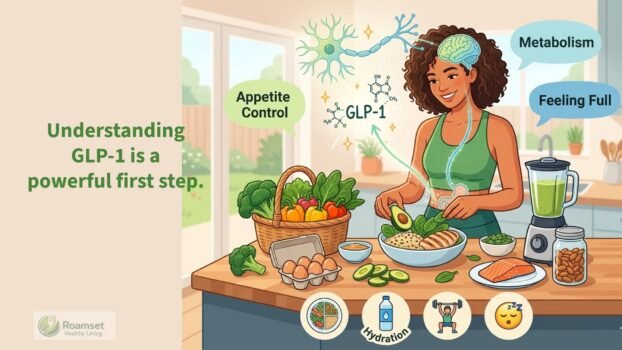
Are you dealing with constant hunger or having trouble losing weight?
You’re not alone. Hormones such as GLP-1 could be the key you’ve been missing.
This guide explains how GLP-1 works and why it is making a big difference for weight loss and metabolic health.
What is GLP-1?
GLP-1 is a hormone that regulates appetite, slows digestion, and helps control blood sugar, making it effective for weight loss and metabolic health.
GLP-1, or Glucagon-Like Peptide-1, is a hormone that is secreted by the L-cells in the intestinal mucosa following food intake. This peptide plays a pivotal role in regulating glucose metabolism and appetite, making it a significant factor in weight management and diabetes treatment. The discovery of GLP-1 dates back to the early 1980s, when researchers identified incretin hormones that enhance insulin secretion after eating. This finding highlighted the importance of GLP-1 in linking nutrient intake to energy homeostasis.
Biologically, GLP-1 functions through several mechanisms. Primarily, it stimulates pancreatic beta cells to secrete insulin, thereby lowering blood glucose levels. Additionally, GLP-1 helps suppress glucagon, a hormone that raises blood sugar. Through these actions, GLP-1 not only optimises glucose metabolism but also enhances satiety by signalling the brain to reduce appetite. By doing so, it creates a feeling of fullness, which is crucial for achieving weight loss and maintaining a healthy weight.
Over the years, the relevance of GLP-1 has grown, especially in the field of obesity management and type 2 diabetes. With the surge in obesity rates worldwide and the associated health complications, scientists and healthcare professionals have turned their attention to GLP-1 receptor agonists. These medications mimic the action of natural GLP-1, thus providing an effective solution for weight reduction and improved insulin sensitivity. As research continues to unfold, GLP-1 is increasingly recognised not only for its crucial physiological roles but also for its potential as a therapeutic intervention for weight management.
How GLP-1 Promotes Increased Fullness
Glucagon-like peptide-1 (GLP-1) plays a crucial role in regulating appetite and body weight by promoting satiety. This hormone is secreted by intestinal L-cells in response to food intake, particularly after the consumption of carbohydrates and fats. The release of GLP-1 is a vital part of the digestive process, helping regulate energy balance.
Once released into the bloodstream, GLP-1 travels to the brain, particularly the hypothalamus, which regulates appetite. Here, it influences neurotransmitter release and alters signalling pathways involved in hunger. Specifically, GLP-1 activates the central nervous system and reduces the drive to eat, thereby directly lowering food intake. The hormone can also enhance fullness signals, making individuals feel satisfied with smaller portions.
Moreover, GLP-1’s effectiveness in increasing satiety is complemented by its delay in gastric emptying, meaning that food remains in the stomach longer, extending the feeling of fullness after meals. This combination of neural and physiological mechanisms not only helps in curbing immediate hunger signals but also plays a significant role in long-term weight management strategies. For individuals struggling with overeating and obesity, understanding the action of GLP-1 is essential. By leveraging the increasing fullness induced by GLP-1 signalling, they may achieve greater control over their appetite, reducing the frequency of high-calorie food consumption.
Overall, the ability of GLP-1 to foster a sense of fullness presents a promising avenue for addressing eating behaviours that contribute to weight gain, making it a potential therapeutic target in the fight against obesity.
Craving Control and Metabolic Support with GLP-1
Glucagon-like peptide-1 (GLP-1) is a crucial hormone that plays a significant role in regulating appetite and metabolism. Studies have shown that GLP-1 is instrumental in controlling cravings, particularly by modulating hunger signals. When GLP-1 is released in response to food intake, it acts on the brain to promote a sense of fullness and satiety. This satiating effect is vital for anyone aiming to manage their weight effectively, as it can reduce caloric intake and prevent overeating.
Additionally, GLP-1 supports metabolism by enhancing insulin sensitivity, which is vital for maintaining blood sugar levels. Improved insulin sensitivity helps the body utilise glucose more effectively, reducing the risk of insulin resistance and type 2 diabetes. As a result, individuals utilising GLP-1-focused therapies often experience improved overall metabolic functioning, which can facilitate weight loss. GLP-1 also influences energy expenditure by promoting lipid metabolism, thereby helping reduce body fat.
The dual action of GLP-1, as both a regulator of cravings and a metabolic enhancer, underscores its effectiveness in weight management strategies. By curbing hunger pangs and enhancing the body’s ability to metabolise nutrients efficiently, GLP-1 offers a comprehensive approach to achieving and maintaining a healthy weight. As healthcare professionals continue to explore the potential therapeutic applications of GLP-1 analogues, understanding their impact on craving control and metabolic health is increasingly crucial for those seeking lasting weight-loss solutions.
The Role of GLP-1 In Digestive Health
Glucagon-like peptide-1 (GLP-1) plays a significant role in digestive health, regulating gut motility and overall metabolic function. Released by the intestines in response to food intake, GLP-1 enhances digestion by modulating various physiological processes. One of the primary functions of GLP-1 is to slow gastric emptying, which means it controls the rate at which food leaves the stomach and enters the small intestine. This action not only prolongs the feeling of fullness but also aids in the efficient absorption of nutrients.
By altering the rate of digestion, GLP-1 effectively regulates signals from the brain that control hunger. When digestion is moderated, it prevents rapid spikes in blood sugar levels, which, in turn, decreases the likelihood of hunger pangs shortly after meals. The release of GLP-1 is also associated with increased satiety, helping individuals maintain a sense of fullness for longer. This connection between GLP-1 secretion and hunger regulation is pivotal for weight management.
Furthermore, GLP-1 influences nutrient absorption in the intestines. By optimising the time food spends in the digestive system, GLP-1 ensures that the body effectively utilises the nutrients consumed, promoting better biochemical balance. Improved nutrient absorption can reduce the compulsion to eat, as the body receives adequate fuel from the foods it ingests. In conclusion, GLP-1 significantly affects digestive health by slowing digestion, regulating appetite, and enhancing nutrient absorption. This multifaceted influence underscores the importance of GLP-1 in addressing weight management challenges, underscoring its potential as a critical component of effective weight-loss strategies.
Ways to Support GLP-1 Naturally
Medical treatments can boost GLP-1 levels, but your body can also make it on its own.
Simple habits like taking care of your gut, eating foods high in fiber, and keeping your diet balanced can help your body produce more GLP-1.
That’s why many people are trying gut-focused methods to naturally control their appetite and metabolism.
If you want to learn more, you can read a detailed guide about natural ways to support GLP-1.
Understanding GLP-1 is a powerful first step.
The next step is knowing how to support it effectively, whether naturally or medically.