
 Roamset Health Team
What is Ayurveda?
Ayurveda is a 5,000-year-old natural healing system from India that focuses on balancing the body’s energies (Vata, Pitta, and Kapha) to prevent and treat health issues at the root cause.

What are the 3 Doshas in Ayurveda?
- Vata (Air + Space): Controls movement, nervous system, and energy
- Pitta (Fire + Water): Manages digestion, metabolism, and body heat
- Kapha (Earth + Water): Supports immunity, structure, and stability
👉 Health problems occur when these doshas become imbalanced.

Why is Ayurveda Important in 2026?
Ayurveda helps manage modern lifestyle problems like stress, poor digestion, and inflammation naturally.
Key Reasons:
- Reduces digital stress and burnout
- Supports personalised nutrition & supplements
- Focuses on preventive healthcare
- Improves gut health and metabolism
What Conditions Can Ayurveda Help With?
1. Digestive Problems (Bloating, IBS)
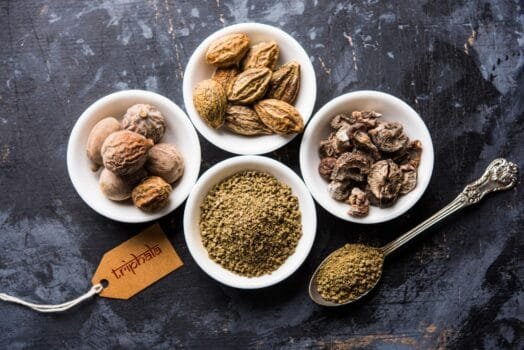
- Uses: Triphala, herbal tonics
- Benefit: Improves digestion and gut balance
👉 Related: Best Supplements for Bloating & Gut Health (2026)
2. Stress & Anxiety
- Uses: Ashwagandha, Brahmi
- Benefit: Calms the nervous system and improves focus
👉 Related: Top Natural Stress Relief Supplements
3. Weight Loss & Metabolism
- Uses: Turmeric, Guggul
- Benefit: Boosts metabolism and fat processing
👉 Related: Top Fat Burners in the USA (2026)
4. Detox & Inflammation
- Uses: Panchakarma, herbal detox blends
- Benefit: Removes toxins and reduces inflammation
👉 safe detox options that actually work without harsh side effects
How Does Ayurveda Work?
Ayurveda works by correcting internal imbalances instead of suppressing symptoms.
It focuses on:
- Diet (Ahara)
- Lifestyle (Vihara)
- Herbs (Aushadhi)
- Daily routines (Dinacharya)
👉 The goal is long-term health, not temporary relief. Start with the right supplements based on your body type
Key Medical Benefits & Targeted Solutions
Ayurveda is particularly effective for chronic conditions where conventional medicine may only offer symptom management.
| Medical Concern | Ayurvedic Solution | How it Helps |
| Digestive Disorders | Triphala & Agni Deepana | Strengthens the “digestive fire,” clears toxins (Ama), and treats IBS/Leaky Gut. |
| Stress & Anxiety | Ashwagandha & Brahmi | Adaptogenic herbs that regulate the adrenal glands and improve cognitive focus. |
| Metabolic Health | Guggul & Turmeric | Manages cholesterol and insulin sensitivity; highly beneficial for Type 2 Diabetes. |
| Chronic Inflammation | Panchakarma (Detox) | Systematic detoxification that removes deep-seated toxins from tissues. |
| Hormonal Imbalance | Shatavari & Moon Milk | Balances the endocrine system, easing symptoms of PCOS and menopause. |
Is Ayurveda Scientific?
Yes—modern research in 2026 supports many Ayurvedic herbs and practices, especially for:
- Stress reduction
- Gut health
- Anti-inflammatory benefits
It is now commonly integrated with modern wellness and preventive medicine.
How to Start Ayurveda (Beginner Guide)
- Identify your Dosha (body type)
- Adjust your diet and routine
- Add targeted herbal supplements
- Follow a simple daily routine
👉 Best starting point: Find Your Dosha + Personalised Plan
What is the Biggest Benefit of Ayurveda?
The biggest benefit of Ayurveda is that it treats the root cause of health problems while improving overall balance, energy, and long-term wellness.
Ayurveda is no longer just traditional medicine—it’s becoming a modern health strategy.
In a world full of quick fixes, it offers something different:
Sustainable, personalised, and natural healing.
I