
 Roamset Health Team
Introduction to Mobility Aids
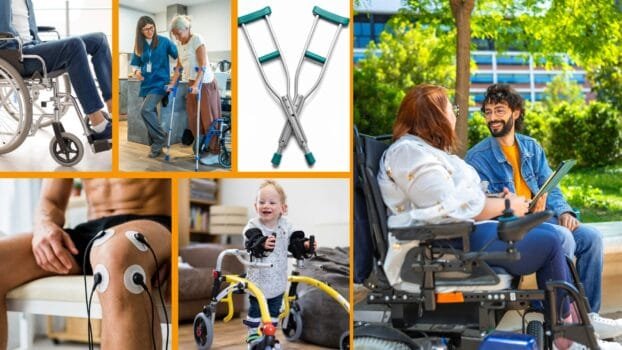
Mobility aids are devices specifically designed to assist individuals with mobility challenges, enabling them to maintain or regain independence in their daily activities. These aids serve essential functions, providing support, stability, and efficiency in movement. Common examples of mobility aids include wheelchairs, walkers, canes, and crutches. Each type of aid addresses different needs, catering to various levels of mobility impairment and personal preferences.
Wheelchairs, for instance, are widely recognised mobility aids that enable individuals with significant walking difficulties to move freely and safely. They can be manual or powered, accommodating different activity levels and environments. On the other hand, walkers provide additional support for those who can walk but may require extra stability. They are particularly beneficial for individuals recovering from surgery or dealing with conditions that affect balance.
Canes and crutches are simpler mobility aids, serving those who require minimal support as they navigate their surroundings. Canes may also vary in design, such as single-point or quad canes, depending on the level of support needed. By using these aids, individuals can enhance their mobility and engage more fully in their communities.
The importance of mobility aids in promoting independence cannot be overstated. These devices significantly enhance the quality of life for people with mobility difficulties, allowing them to perform everyday tasks, participate in social activities, and interact more freely with their environments. By facilitating movement and interaction, mobility aids empower individuals to take control of their daily lives, fostering greater self-esteem and confidence.
Types of Mobility Aids
Mobility aids are essential tools that assist individuals with mobility challenges, enabling them to maintain independence and improve their quality of life. There are several categories of mobility aids, each serving specific purposes and catering to varying needs. Understanding these types can help users make informed decisions.
One of the most common mobility aids is the wheelchair. Wheelchairs can be classified into two main types: manual and electric. Manual wheelchairs are propelled by the user or a caregiver, making them a cost-effective option. They promote physical activity and are often lightweight and easy to transport. On the other hand, electric wheelchairs offer powered mobility, allowing users to navigate with minimal physical effort. These are particularly beneficial for individuals with significant disabilities, as they provide greater independence.
Crutches are another prevalent mobility aid, primarily used for short-term injuries. They provide support and stability, allowing users to transfer weight from their legs to the upper body. Crutches can be adjusted for height and come in various styles, such as underarm or forearm crutches, catering to different needs and preferences.
Scooters are ideal for those with limited mobility but who require a powered option for longer distances. These vehicles come with a comfortable seat, handlebars, and a platform for the feet. They are particularly useful for outdoor use and can navigate various terrains, making them popular among older adults.
Finally, adjustable walking frames, also known as walkers, provide additional support when ambulating. These aids increase stability and can be tailored to the user's height. Many models come with wheels to facilitate easier movement, while others have a seat for resting. Each mobility aid has distinct advantages and limitations, and understanding these can help individuals select the right one for their needs.
Benefits of Using Mobility Aids
Mobility aids play a crucial role in improving the quality of life for individuals with mobility challenges. These devices, which range from canes and walkers to wheelchairs and scooters, are designed to enhance physical health, promote social participation, and provide essential emotional support. One of the primary benefits of using mobility aids is the physical improvement they facilitate. By providing necessary support, these aids help individuals maintain their independence and reduce the risk of falls, thereby promoting a healthier lifestyle.
Moreover, mobility aids can significantly increase social participation. Many individuals who struggle with mobility issues often feel isolated, unable to engage in community activities or visit friends and family. However, the use of a mobility aid can empower these individuals, encouraging them to attend social events and engage with their communities. For instance, a 67-year-old woman shared that acquiring a walker enabled her to join a local book club, greatly enhancing her social interactions and mental well-being.
In addition to the physical and social benefits, mobility aids provide emotional support. The psychological impact of using these devices can be profound; individuals often report an increase in confidence and a reduction in anxiety about mobility. A young man who previously relied on his family for transportation explained how a powered scooter helped him regain his sense of autonomy, ultimately fostering a more positive outlook on life. Testimonials like these underline the transformative influence of mobility aids.
Furthermore, the consistent use of mobility aids ensures that individuals can navigate their environments with greater ease, further contributing to their overall well-being. As we explore the diverse offerings available in the market, it becomes clear that mobility aids are not merely tools, but essential devices that enhance independence, accessibility, and emotional stability.
Choosing the Right Mobility Aid
When selecting the most suitable mobility aid, it is crucial to carefully consider factors that align with one’s individual needs, lifestyle, and budget. With a wide range of options available, understanding personal requirements will help streamline the decision-making process.
One of the primary steps in choosing a mobility aid is taking accurate measurements. This includes assessing the user's height, weight, and any specific dimensions relevant to the intended aid. For instance, walkers, wheelchairs, and scooters have varying sizes and weight limits, which must align with the user's physical characteristics to ensure safety and comfort during use. It is advisable to consult professionals who can guide you in selecting appropriate measurements for the specific model.
Another important aspect is to identify specific mobility limitations. Different mobility aids cater to various needs; for example, someone with limited balance may benefit from a walker with hand brakes, whereas an individual with more significant mobility challenges may require a powered wheelchair. It is essential to assess the level of support needed for daily activities—such as walking, transferring between places, or navigating complex environments—to determine the most effective aid.
Professional assessments play a vital role in this selection process. Engaging with healthcare providers or physical therapists can yield valuable insights into which aids would best enhance mobility and independence. These professionals can conduct a thorough evaluation of physical abilities and recommend mobility aids that account for these factors. By collaborating closely with qualified individuals, the user can ensure that their choice will promote a safe and active lifestyle.
Ultimately, the right mobility aid can significantly enhance one’s quality of life, facilitating greater independence and accessibility in various environments. By carefully evaluating personal needs and seeking expert advice, individuals can select a mobility solution that best suits their circumstances.
Proper Use and Maintenance of Mobility Aids
Mobility aids are essential tools that enhance independence and facilitate movement for individuals with mobility challenges. To maximise their effectiveness, it is crucial to understand the proper usage and maintenance of these aids. This section aims to provide valuable insights into ensuring mobility aids function optimally and remain in good condition over time.
First and foremost, users should familiarise themselves with the specific mobility aid they employ. Whether it is a cane, a walker, or a wheelchair, consulting the manufacturer's guidelines can provide valuable information on proper use. For instance, ensuring the aid is adjusted to the appropriate height is fundamental to comfort and safety. Regular practice with the aid can also enhance confidence, allowing users to navigate their environments more effectively.
Maintenance is just as critical as usage. Regularly cleaning mobility aids prevents the buildup of dirt and grime, which can impair functionality and aesthetics. For example, wiping down a wheelchair with non-abrasive cleaning agents keeps it operating smoothly. Additionally, users should routinely inspect their mobility aids for any signs of wear and tear, such as frayed grips or rusted parts. Addressing these issues promptly can prevent further damage and ensure the user's safety.
Users should also replace wear components as needed to maintain the mobility aid's reliability. For example, rubber tips on canes often wear out, diminishing grip and stability; replacing them periodically is crucial. By recognising these indicators of deterioration and taking timely action, users can prolong the lifespan of their mobility aids, thereby enhancing their independence.
In conclusion, proper use and diligent maintenance of mobility aids are imperative for promoting safety, functionality, and the overall quality of life for users. By adhering to best practices, individuals can enjoy the benefits of mobility aids while minimising potential risks associated with deterioration or misuse.
Technological Advancements in Mobility Aids
Recent technological advancements have profoundly transformed the field of mobility aids, enhancing users' independence and accessibility. Innovations such as smart wheelchairs, which feature electronic controls and advanced sensors, are leading the way in this evolution. These wheelchairs can now adapt to the user's movements, navigate obstacles, and even adjust their speed and direction based on the environment. For instance, some models include automatic braking systems that improve safety by preventing collisions.
Furthermore, the integration of smartphone applications into mobility aid technologies has revolutionised navigational assistance. Applications designed for users with mobility challenges assist with route planning, highlight accessible pathways, and locate essential services such as restrooms and ramps. By offering real-time feedback and alternative routes, these apps empower users to make informed decisions during their daily travels, thus fostering a sense of autonomy.
Enhanced features are also becoming commonplace, with mobility aids incorporating technology such as GPS tracking, which allows caregivers to monitor the movements of individuals who may require supervision. This not only enhances safety but also provides peace of mind for family members. Additionally, connectivity features that allow mobility devices to sync with smart home systems are gaining traction. This innovation enables users to control various aspects of their home environment, such as lighting and heating, through voice commands or touchscreens, further promoting independence.
The ongoing commitment to research and development in mobility aids is poised to yield even more beneficial innovations. As technology continues to advance, mobility aids are expected to become increasingly integrated, user-friendly, and tailored to individual needs, thereby significantly improving the quality of life for their users.
Funding and Assistance for Mobility Aids
Accessing financing for mobility aids can be crucial for those who require assistance to enhance their independence in daily activities. There are several funding options available at both the local and national levels to help individuals afford essential mobility equipment. This section will explore various resources and programs to alleviate the financial burden associated with acquiring mobility aids.
One primary source of funding is government programs such as Medicare and Medicaid, which may cover part or all of the costs associated with mobility aids, depending on eligibility and specific circumstances. For instance, Medicare typically covers durable medical equipment (DME) when it is prescribed by a qualified healthcare provider and deemed medically necessary. Medicaid also offers assistance, but eligibility varies by state, so it's essential to check local guidelines for comprehensive coverage details.
Additionally, private insurance plans may cover mobility aids, though coverage varies significantly among insurers. Individuals should consult their insurance policy or speak with a representative to understand the extent of coverage for items such as wheelchairs, scooters, and walkers. It is beneficial to document medical needs and, where possible, obtain pre-approval to facilitate the claims process.
Nonprofit organisations and support groups also play an important role in financing mobility aids. Organizations such as the United Spinal Association or the Muscular Dystrophy Association may offer grants or fundraising opportunities specifically for purchasing mobility aids. Further resources can be found at local community centres or disability advocacy groups, which often provide information on available funding and assistive technologies.
In conclusion, numerous funding options and assistance programs exist to help individuals afford mobility aids. By exploring these resources, individuals can find financial support tailored to their unique needs, enhancing their ability to lead more independent lives.
Mobility Aids and Lifestyle Adaptation
Mobility aids play a significant role in enhancing the quality of life for individuals with varying degrees of mobility limitations. These devices are not only tools for movement but also facilitate a broader range of lifestyle adaptations. By integrating mobility aids into daily routines, individuals can experience increased independence and improved accessibility in both their homes and communities.
Home modifications are an essential aspect of this adaptation process. For instance, installing grab bars, ramps, and stair lifts can create a safer living environment when a mobility aid is introduced. These modifications work synergistically with mobility devices, thereby enabling individuals to navigate their living spaces with greater ease and confidence. The presence of such adaptations encourages individuals to remain in their homes longer, minimising the need for relocation to assisted living facilities.
In addition, mobility aids can facilitate community integration. Whether using a wheelchair, walker, or scooter, individuals can actively engage with their surroundings. Accessibility features, such as curb cuts, accessible transportation, and ramps at public facilities, make it feasible for people using mobility aids to participate in social outings, access healthcare services, and perform errands. Such integration is vital for maintaining social connections, promoting mental well-being, and enhancing quality of life.
Moreover, the psychological impact of using mobility aids should not be overlooked. With appropriate aids, individuals may feel more self-sufficient, leading to improved self-esteem and the motivation to pursue activities they enjoy. Engaging in hobbies, attending classes, and attending community meetings become achievable pursuits rather than daunting challenges. Ultimately, the right mobility aids and corresponding lifestyle adaptations create a holistic environment that champions independence and enriches daily experiences.
Conclusion and Encouragement
In enhancing independence and accessibility for individuals with mobility challenges, mobility aids play a crucial role. These devices and tools, such as wheelchairs, walkers, and scooters, not only facilitate movement but also empower users by providing a sense of independence that might otherwise be lost. The positive impact of mobility aids extends beyond mere physical assistance; they contribute to greater social inclusion, improved mental health, and enhanced quality of life.
It is essential for individuals who require mobility assistance to explore the available options. The market offers a diverse array of mobility aids tailored to meet different needs, preferences, and lifestyles. From manual to powered options, the choices can accommodate fluctuating levels of mobility and personal circumstances. Engaging with healthcare professionals, such as physiotherapists or occupational therapists, can help users make informed decisions regarding the most suitable devices for their unique situations.
Moreover, communities and organisations often provide support systems to assist individuals in obtaining mobility aids, whether through funding, sponsorship, or rental services. These resources not only alleviate the financial burden but also ensure that individuals can access the tools they need to enhance their mobility. By taking initiative and seeking help, users can significantly improve their daily experiences and regain a sense of control over their lives.
In conclusion, the importance of mobility aids in promoting independence cannot be overstated. Individuals with mobility challenges are encouraged to recognise the available options and pursue the tools that will aid in their personal mobility journeys. By doing so, they will not only enhance their physical capabilities but also foster enriched independence and accessibility in their everyday lives.