 Roamset Health Team
What is the best diet for acne?
The best diet for acne focuses on anti-inflammatory and hormone-balancing foods. This includes zinc-rich foods (such as oysters and legumes), omega-3 fatty acids (such as salmon), antioxidant-rich fruits and vegetables, and low-glycaemic whole foods. Avoid highly processed foods and sugar, as they can worsen breakouts.
Acne is often misunderstood. Many people blame junk food like pizza or chocolate, but the real causes run deeper—hormones, inflammation, and nutrition all play major roles.
Below is a complete, practical food guide to help you understand what actually works for clearer skin.
What Causes Acne? Understanding the Real Triggers
If you think pizza and chocolate are the culprits behind most skin breakouts, think again. Acne is more often attributable to heredity and hormones. Throughout puberty, surges in male hormones called androgens (women have them, too) increase sebum production, which helps keep skin moist, and keratin production, which is needed to make hair. When too much of either clogs a hair follicle, acne can result.
Eating a cheese-laden pizza probably won't make much difference to your skin, but what can make a difference—a decidedly positive one—is eating more fruit, vegetables and other foods that help to keep your hormones in balance and that also fight inflammation.
Your Food Prescription for Acne-Free Skin
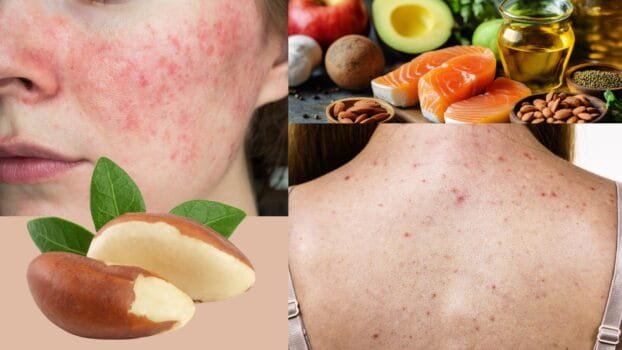
Brazil nuts
These are rich in selenium, a powerful antioxidant that appears to help improve acne, probably by protecting cells from inflammatory damage and preserving skin's elasticity. Selenium works together with vitamins E and A, so eat your brazil nuts with some almonds and perhaps some red capsicum.
- Aim for: Two Brazil nuts deliver a full day's supply of selenium. Other foods rich in selenium are seafood, poultry, eggs, meat, offal and whole grains.
Oysters, legumes, poultry, fish and other foods rich in zinc
No one knows exactly why, but getting enough zinc appears to help minimise skin breakouts. It may be that zinc helps to control the release of male hormones that kick-start acne. Zinc also helps the body absorb vitamin A, another important nutrient for maintaining healthy skin.
- Aim for: The average requirement for men is 12 mg; for women, it's 7 mg. Six oysters (about 90 g) have 40 mg of zinc in total, while 100 g of lean red meat has around 4 to 5 mg.
- Helpful hint: Vegetarians who avoid animal products altogether should consider consulting a dietitian for advice on taking zinc supplements.
Salmon and other fatty fish, and foods rich in omega-3 fatty acids
Some dermatologists think omega-3 fatty acids, which help keep inflammation at bay, may also help to keep acne under control. Fatty fish such as salmon, sardines and trout have generous amounts of omega-3 fatty acids. Canola, linseeds and walnuts are other sources.
- Aim for: At least two servings of omega-3-rich fatty fish per week. You can also sprinkle linseed oil on salads, use ground linseeds in baking and smoothies, and add toasted walnuts to casseroles, salads and hot and cold cereals.
Kumara, carrots, rockmelon, capsicum and other beta-carotene-rich foods
Beta-carotene (found in many orange, yellow and red fruits and vegetables) is converted into vitamin A in the body—another of the nutrients that helps to enhance selenium's benefits to skin.
- Aim for: At least 1/2 cup of orange, yellow or red vegetables a day.
Almonds, eggs, leafy greens and other foods rich in vitamin E
The antioxidant vitamin E helps skin heal from the damage and scarring caused by acne. It's not easy to get a lot of vitamin E from a low-fat diet because the best sources are vegetable oils, the fats in meat, poultry, and fish, and nuts. Whole grains and green leafy vegetables are also fairly good sources.
- Aim for: The recommended daily intake of vitamin E is 7-10 mg (in South Africa, it's 15 mg). Just 1 tablespoon of canola oil contains 4 mg, 100 g of sardines contains 3 mg, and a small avocado contains 3 mg.
- Helpful hint: Vitamin E is fat-soluble, so eat it along with foods that contain a little fat. When you eat spinach, for example, drizzle a little olive oil.
Fresh fruit, vegetables and whole grains
When scientists looked at the diets of teenagers in the Kitavan Islands of New Guinea and the Ache region of Paraguay—where not one case of acne was found—they took note: the diets were rich in fruit and vegetables such as yams and greens, and low in refined foods such as white sugar and white flour, which can cause hormones to spike. When people from a similar gene pool moved to Western regions and began to eat processed foods, they began to experience acne for the first time.

Tropical fruit salad
How a Low-Glycaemic Diet Helps Reduce Acne
Researchers at RMIT in Melbourne studied young men with acne, comparing a typical Western teen diet of processed foods with a low-glycaemic-index (GI) diet higher in unrefined grains, fruit and vegetables, and protein. After three months, acne was reduced by 50% in the low-GI group, suggesting that a less-processed diet can make a real difference to skin condition.
- Aim for: At least nine servings of fruit and vegetables over the course of a day. A serving generally means one medium piece of fruit, 1 cup of raw vegetables, or 1/2 cup of cooked or canned vegetables or fruit. Choose wholegrain pasta and breads, brown rice and oats rather than the refined, highly processed varieties.
Oranges, tomatoes, melons and other foods rich in vitamin C
These juicy vitamin C bombs can help protect your skin from scarring caused by blemishes. Bioflavonoids, which often come from a vitamin C source (such as the white rind inside citrus fruits), also act as natural anti-inflammatories that can enhance the healing action of vitamin C.
- Aim for: Eat enough vitamin C-rich foods to total at least 250 mg, and preferably 500 mg, of vitamin C per day. Half a cup of raw red capsicum has 150 mg of vitamin C, and a punnet of strawberries has 110 mg.
Nutritional Supplements for Acne Control
A multivitamin/mineral
Several nutrients, including vitamin E and selenium, are important for controlling acne. You'll find both in most multivitamins.
- Dosage: One a day.
Chromium
Some dietitians recommend taking chromium for acne. There is good evidence linking chromium to better insulin use, and some evidence that acne is linked to poor insulin sensitivity. Because chromium may worsen low blood sugar, check with your doctor before taking supplements.
- Dosage: 200 mcg per day.
Foods to Avoid If You Have Acne
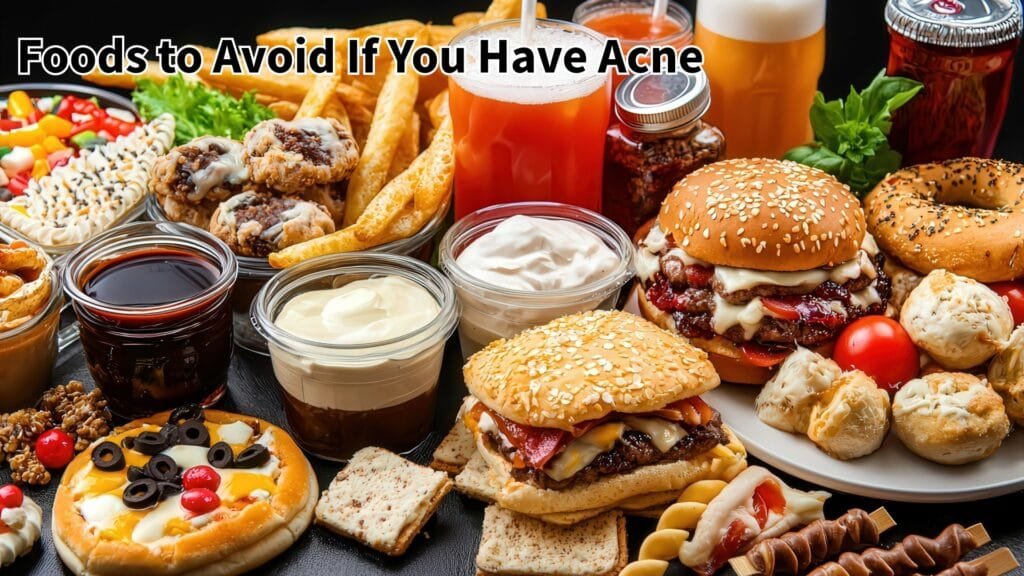
Highly processed foods
If you're serious about stopping acne, cut back on the “white” foods in your diet—white bread, white flour, mashed potatoes and anything made with lots of sugar. They cause blood sugar and insulin to spike, which scientists suspect may contribute to acne. Diets high in processed foods and low in fruit and vegetables also come up short on the vitamins and minerals that help balance acne-inducing hormones.
Can food really cause acne?
Diet alone may not directly cause acne, but it significantly influences hormones and inflammation, which can trigger breakouts.
Which foods help clear acne fast?
Foods rich in zinc, omega-3 fatty acids, vitamin A, and antioxidants can help reduce inflammation and support clearer skin.
What foods should I avoid for acne?
Highly processed foods, sugar, white bread, and refined carbs can worsen acne by increasing insulin and hormone fluctuations.