 Roamset Health Team
Your Simple Guide to Better Digestion & Overall Health
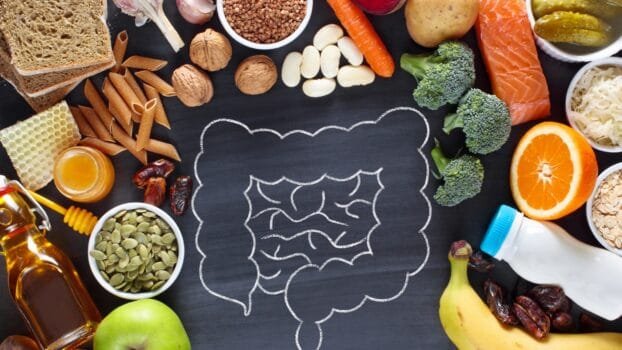
Your gut does more than just digest food; it plays a major role in immunity, mood, and energy levels. If you’ve been feeling bloated, sluggish, or just “off,” it might be time to focus on a gut health diet plans.
Why Your Gut is the “Second Brain” (And How to Fix It Without the Fluff)
We’ve all been there. You wake up feeling like you swallowed a lead balloon. You’re foggy, your jeans feel two sizes too small by noon, and no amount of caffeine seems to clear the “sludge” out of your system.
Usually, we blame a bad night's sleep or a stressful day at the office. But more often than not, the real culprit is sitting right in your midsection.
At Roamset, we look at gut health as the foundation of everything else. If your gut is a mess, your weight-loss goals, your skin, and even your mood will be uphill battles. Here is the lowdown on why your gut matters and how to actually start feeling better.
It’s Not Just About Digestion
Most people think of the gut as a simple processing plant: food goes in, waste goes out. If only it were that simple.
In reality, your gut is home to trillions of bacteria (your microbiome). Think of them as a massive internal ecosystem. When that ecosystem is balanced, life is great. When it’s out of whack? You’ll know.
- The Immunity Hub: About 70% of your immune system lives in your gut. If you’re catching every cold that makes the rounds at the office, your gut might be crying for help.
- The Mood Connection: Ever heard of the “gut-brain axis”? Your gut produces a massive chunk of your body’s serotonin (the happy chemical). This is why “gut feelings” are a real biological thing.
- The Energy Drain: An inflamed gut struggles to absorb nutrients. You could be eating the “perfect” diet, but if your gut can't process it, you'll feel sluggish.
3 Signs Your Gut Is Screaming for Help
You don't need a lab test to tell you things are off. Your body is pretty loud if you know what to listen for.
- The Constant Bloat: Not just after a massive Thanksgiving dinner, but everyday bloating that makes you want to live in sweatpants.
- Sugar Cravings: Bad bacteria love sugar. If you have an uncontrollable sweet tooth, it might actually be your microbes demanding a fix.
- Brain Fog: If you find yourself staring at your laptop screen for twenty minutes without typing a word, your gut-induced inflammation might be clouding your head.
How to Reset (Without Joining a Cult)
You don't need to go on a 10-day juice fast or live on bone broth to see a difference. Real gut health is about small, consistent shifts.
1. Diversify Your Plate
Your good bacteria are picky eaters—they want fiber. Specifically, they want different kinds of fiber. Try to hit 20–30 different plant-based foods a week. It sounds like a lot, but a bag of mixed greens and a handful of seeds gets you halfway there.
2. Slow Down
This is the hardest one for most of us. If you inhale your lunch while answering emails, your body stays in “fight or flight” mode. Digestion literally shuts down when you’re stressed. Take ten minutes, sit away from your screen, and actually chew your food. Your stomach will thank you.
3. Add the “Living” Stuff
Fermented foods like kimchi, sauerkraut, and kefir are like sending in reinforcements for your good bacteria. You don’t need much; a forkful of kraut with dinner is a great start.
The Bottom Line
Fixing your gut isn't just about losing a few pounds or getting a flatter stomach—though those are nice perks. It’s about reclaiming your energy and feeling like a human being again.
If you’ve been feeling “off” for a while, stop ignoring it. Your gut is trying to tell you something. The question is: are you ready to listen?
Here are some simple, effective diet plans you can follow to improve your gut health:
1. The Balanced Fiber Plan
Fiber feeds good gut bacteria and keeps digestion smooth.
What to eat:
- Oats, brown rice, quinoa
- Fruits like apples, bananas, papaya
- Vegetables like spinach, carrots, broccoli
- Legumes (lentils, chickpeas)
Tip: Increase fiber gradually and drink plenty of water.
Why Fiber is Essential for Gut Health
Fiber plays a crucial role in maintaining a healthy gut. It feeds good bacteria, which are vital for digestion and overall health. A diet rich in fiber promotes the growth of these beneficial microbes, leading to improved digestion and nutrient absorption. Moreover, consuming an adequate amount of fiber can help prevent digestive issues such as constipation and bloating.
Foods Rich in Fiber
To enhance your fiber intake, consider incorporating various foods into your meals. Whole grains like oats, brown rice, and quinoa are excellent sources of fiber. Additionally, fruits such as apples, bananas, and papaya provide not just fiber but also essential vitamins and minerals. Vegetables like spinach, carrots, and broccoli are also fiber-rich and support digestive health. Lastly, legumes, including lentils and chickpeas, are top contenders in the fiber category, making them perfect for salads, soups, or stews.
Tips for Increasing Fiber Intake
When increasing your fiber intake, it's important to do so gradually. Sudden changes may lead to digestive discomfort. Start by adding a little more fiber to your meals and snacks each day. Also, don't forget to drink plenty of water as you increase fiber in your diet. This will aid in digestion and help mitigate any potential side effects. With a careful approach, you'll enjoy the numerous benefits of a fiber-rich diet, including a smoother digestive process and a healthier gut.
2. Probiotic-Rich Diet
Probiotics are “good bacteria” that improve gut balance.
Include:
- Yoghurt (curd)
- Buttermilk (chaas)
- Fermented foods like idli, dosa batter
- Pickles (natural, not overly processed)
The Power of Probiotics for Gut Health
Probiotics are live “good bacteria” and yeasts that are essential for maintaining a healthy and balanced digestive system. When the gut microbiome is in harmony, it enhances nutrient absorption, strengthens the immune system, and even influences mental clarity. Incorporating traditional fermented foods into your daily diet is one of the most effective ways to support this internal ecosystem.
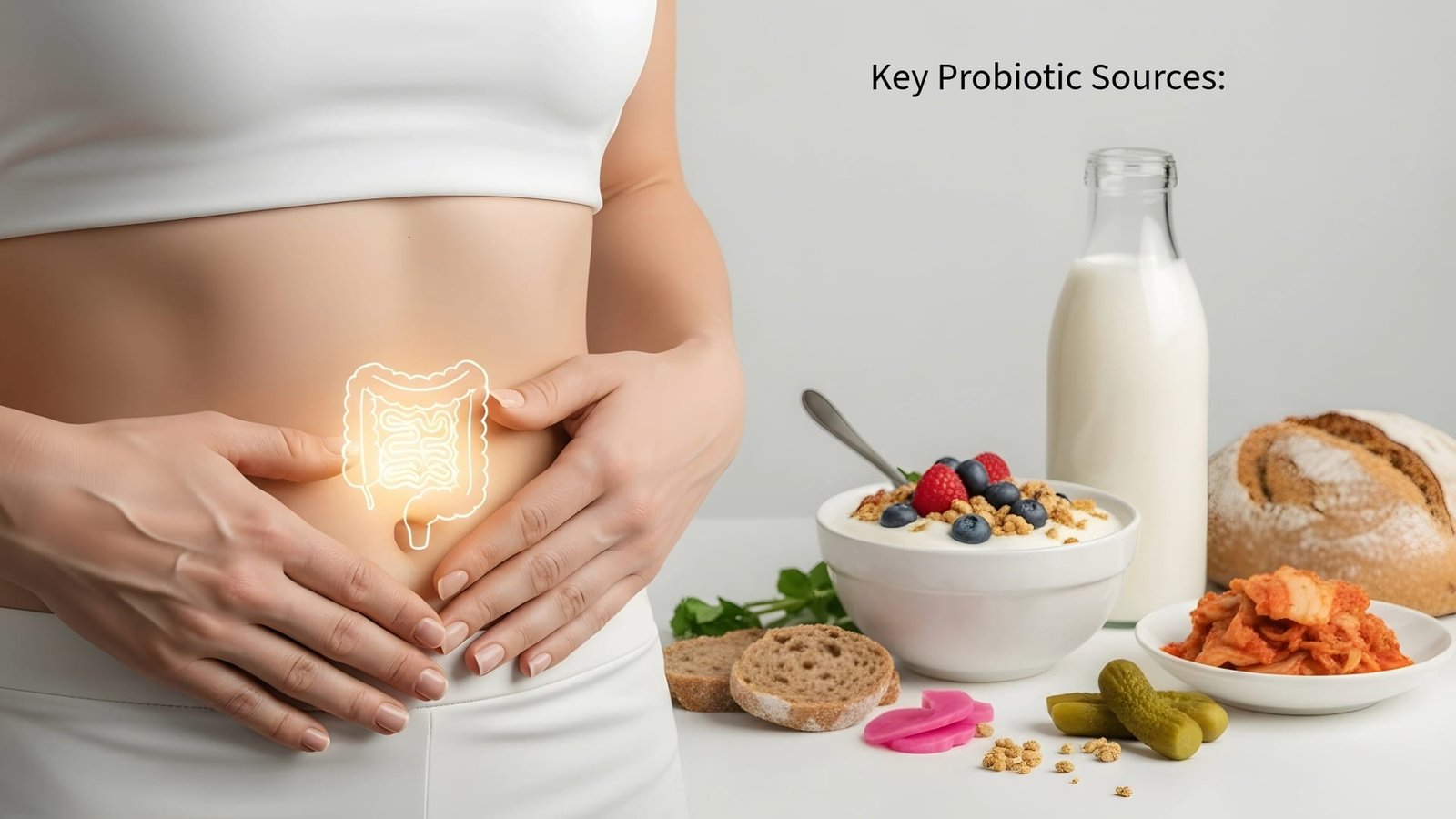
Key Probiotic Sources:
- Yoghurt (Curd): Perhaps the most accessible source, fresh homemade curd is packed with Lactobacillus. It aids digestion and provides a cooling effect on the stomach.
- Buttermilk (Chaas): A staple in many households, buttermilk is the liquid left over after churning butter. It is low in fat but rich in probiotics, making it an excellent hydrating digestive aid after meals.
- Fermented Batters (Idli/Dosa): The natural fermentation of rice and urad dal in idli and dosa batters creates a rich profile of beneficial bacteria, making these South Indian classics a powerhouse for gut health.
- Natural Pickles: When fermented naturally using salt or oil (without excessive processing or vinegar), traditional pickles are potent sources of probiotics that add both flavour and functional health benefits to your plate.
By prioritising these natural sources, you can ensure a resilient gut and improved overall well-being.